Understanding the Proxi-Temporal Peacebuilding Framework
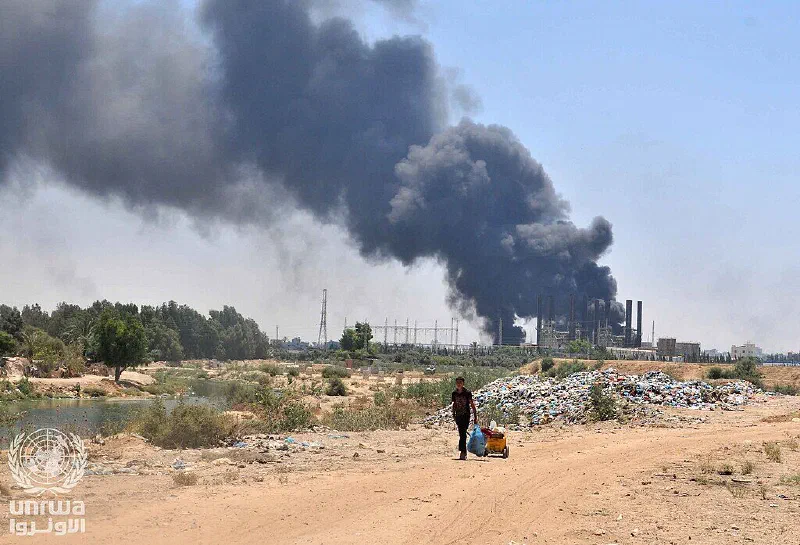
The Proxi-Temporal Peacebuilding Framework is an ontological, epistemological, and methodological framework for researching, teaching, and practicing peacebuilding during active conflict. It explains how peace can be understood, generated, and sustained through proximity to conflict and within the temporal realities of ongoing violence, enabling universities, communities, and practitioners to co-produce contextually grounded knowledge while conflict continues rather than postponing peacebuilding until violence has ended.
The name Proxi-Temporal combines two interdependent concepts that form the foundation of the framework: proximity and temporality.
Proximity
Proximity refers to far more than physical closeness to conflict. It describes a relational, ethical, and epistemic condition in which researchers, educators, practitioners, and conflict-affected communities engage with one another through shared realities, reciprocal learning, and mutual accountability. Rather than treating local people simply as sources of information, the framework understands them as partners in the production of knowledge, whose lived experience is indispensable to understanding how peace is practiced during conflict.
Temporality
Temporality refers to the timing of peacebuilding in relation to the conflict itself. Drawing upon the United Nations Sustaining Peace agenda of 2016, which recognizes peacebuilding as occurring before, during, and after conflict, the Proxi-Temporal Framework argues that the temporal condition of “during” has received comparatively little methodological attention. Time is therefore understood not simply as chronology but as an epistemological condition that shapes what peace can become and what researchers are able to know about it while violence remains active.
Together, proximity and temporality explain that peace knowledge is shaped both by “where” it is produced and “when” it is produced. The framework therefore places conflict-embedded institutions and communities at the center of peacebuilding research.
In the next article, we explore the central question that led to the development of the Proxi-Temporal Peacebuilding Framework: where did these ideas come from? We look at when and how the framework was developed, and at the intellectual journey that shaped its evolution.