The Missing Piece in Peacebuilding: What Problem Does the Proxi-Temporal Framework Address?
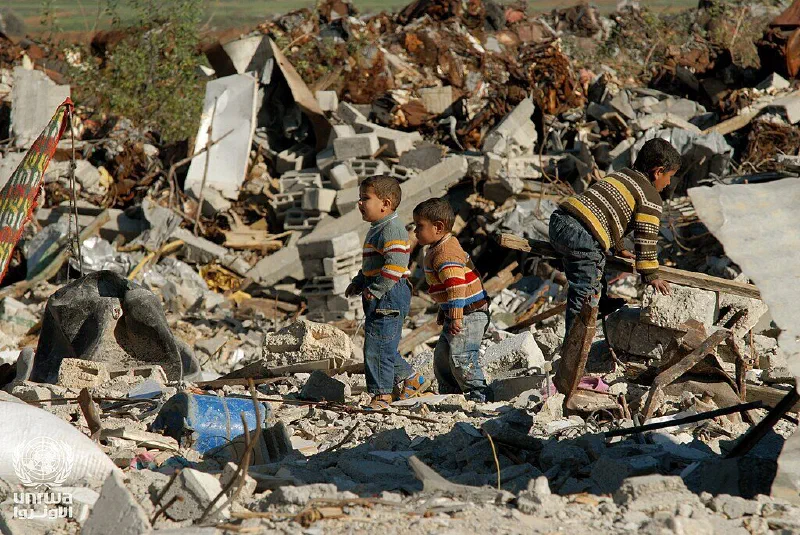
The Proxi-Temporal Peacebuilding Framework responds to a significant gap between international peacebuilding policy and peacebuilding research. Over the past decade, the United Nations has fundamentally redefined peacebuilding through the Sustaining Peace agenda, recognizing that peacebuilding is a continuous responsibility extending “before, during, and after” conflict. This represents an important departure from earlier approaches that largely treated peacebuilding as a post-conflict activity. However, while international policy has evolved, research methodologies have not kept pace. There remains remarkably little systematic guidance on how peace should be researched while organized violence is still unfolding.
Where Existing Scholarship Stops
Much existing peacebuilding scholarship continues to concentrate either on preventing conflict before violence begins or on rebuilding societies once violence has subsided. Participatory research, conflict transformation, peace education, and community-based methodologies have all made significant contributions to collaborative knowledge production, yet they have predominantly been applied within relatively stable or post-conflict environments. Even where research is conducted in conflict-affected settings, methodological discussions rarely examine how the continuing presence of violence fundamentally shapes knowledge production itself.
The Cost of Waiting
This temporal gap has practical consequences. Waiting until conflict has ended risks overlooking the everyday practices through which individuals, families, schools, universities, and communities sustain relationships, preserve institutions, and negotiate peaceful coexistence while violence continues. These lived experiences often disappear from research once conflict is retrospectively reconstructed through post-conflict narratives. As a result, policymakers and practitioners possess relatively limited evidence concerning the forms of peace that emerge during war itself.
Researching Peace as It Happens
The Proxi-Temporal Framework addresses this problem by providing a methodology specifically designed for researching peace during active conflict. Rather than viewing ongoing violence as merely an obstacle to research, it recognizes it as the temporal context within which peace must be understood. Through participatory, trauma-informed, and ethically grounded approaches, the framework seeks to operationalize the United Nations’ vision of sustaining peace by enabling researchers, educators, and local communities to investigate how peace is continuously created, maintained, and transmitted while conflict remains active.
In the next article, we explore how the Proxi-Temporal Peacebuilding Framework differs from other approaches to peacebuilding. While it builds on many existing theories and practices, it also offers a distinctive way of understanding, researching, and supporting peace while conflict is still unfolding.