Rethinking Peacebuilding: How Is the Proxi-Temporal Framework Different?
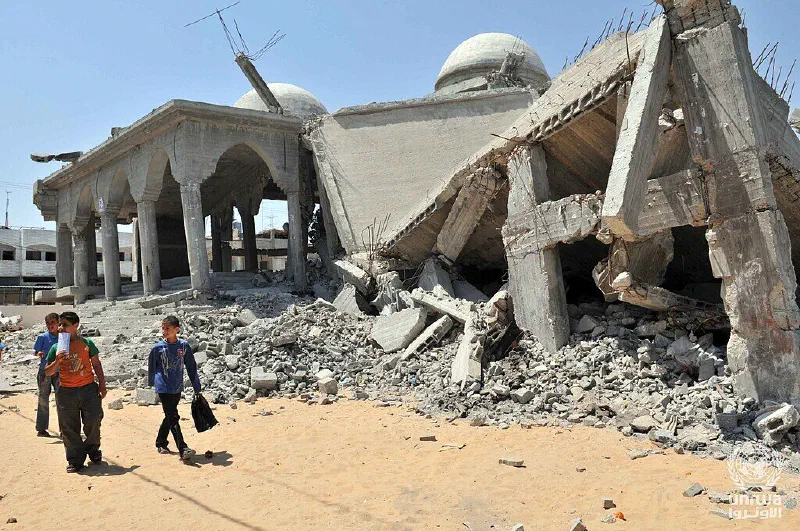
The Proxi-Temporal Peacebuilding Framework complements existing approaches to peacebuilding but differs from them in both its temporal focus and its understanding of knowledge production.
Post-Conflict Peacebuilding
Post-conflict peacebuilding primarily concentrates on rebuilding institutions, reconciliation, and recovery after organized violence has ceased. The Proxi-Temporal Framework instead investigates how peace is practiced, negotiated, and sustained while conflict is still ongoing, recognizing that many forms of peacebuilding begin long before formal post-conflict reconstruction.
Conflict Prevention and Early Warning
Conflict prevention and early warning seek to identify and reduce the risk of future violence before conflict escalates. The Proxi-Temporal Framework shares this commitment to preventing violence but focuses specifically on communities already living through active conflict, asking how peace continues to exist despite ongoing violence rather than how violence might be avoided.
Conflict Transformation
Conflict transformation examines the long-term transformation of relationships, institutions, and social structures that generate conflict. While Proxi-Temporal Peacebuilding recognizes these objectives, its primary concern is not transformation after conflict but the everyday practices through which relationships, learning, and institutional continuity are sustained during conflict.
Humanitarian Response and Protection
Humanitarian response and protection work are principally concerned with saving lives, meeting immediate needs, and protecting civilians. The Proxi-Temporal Framework does not replace humanitarian action. Instead, it complements it by examining how education, research, dialogue, and community relationships contribute to sustaining peace alongside humanitarian interventions.
Track II Diplomacy
Track II diplomacy focuses on informal dialogue between influential actors outside official political negotiations. By contrast, the Proxi-Temporal Framework is concerned with the everyday production of peace knowledge within universities, schools, and communities, recognizing that peacebuilding is not confined to elite dialogue but is continuously enacted through ordinary social and educational practices.
Participatory Action Research
The framework also differs from Participatory Action Research (PAR). PAR provides valuable methods for collaborative inquiry and social change, but its principal concern is participation as a research methodology. The Proxi-Temporal Framework incorporates participatory principles while extending them by arguing that proximity and temporality fundamentally shape the production of knowledge itself. Participation is therefore understood not merely as a research technique but as an ethical and epistemological condition arising from shared engagement within active conflict.
Peace Education
Similarly, while peace education seeks to develop knowledge, skills, and values that promote peaceful societies, the Proxi-Temporal Framework conceptualizes educational institutions themselves as conflict-embedded sites of peacebuilding. Universities and schools are not only places where peace is taught; they are institutions through which peace is researched, practiced, and sustained while violence continues.
Unlike these neighboring approaches, the Proxi-Temporal Framework integrates ontology, epistemology, methodology, pedagogy, and ethics into a single framework specifically designed for researching and supporting peacebuilding during active conflict.
The Proxi-Temporal Peacebuilding Framework does not seek to replace existing approaches to peacebuilding. Instead, it builds upon their strengths while addressing a question that has received far less attention: how can peace be understood, researched, and supported while conflict is still ongoing? In the next article, we explore the six interdependent components that form the foundation of the Proxi-Temporal Peacebuilding Framework and explain how they work together in practice.