Recognizing the Boundaries of the Proxi-Temporal Peacebuilding Framework
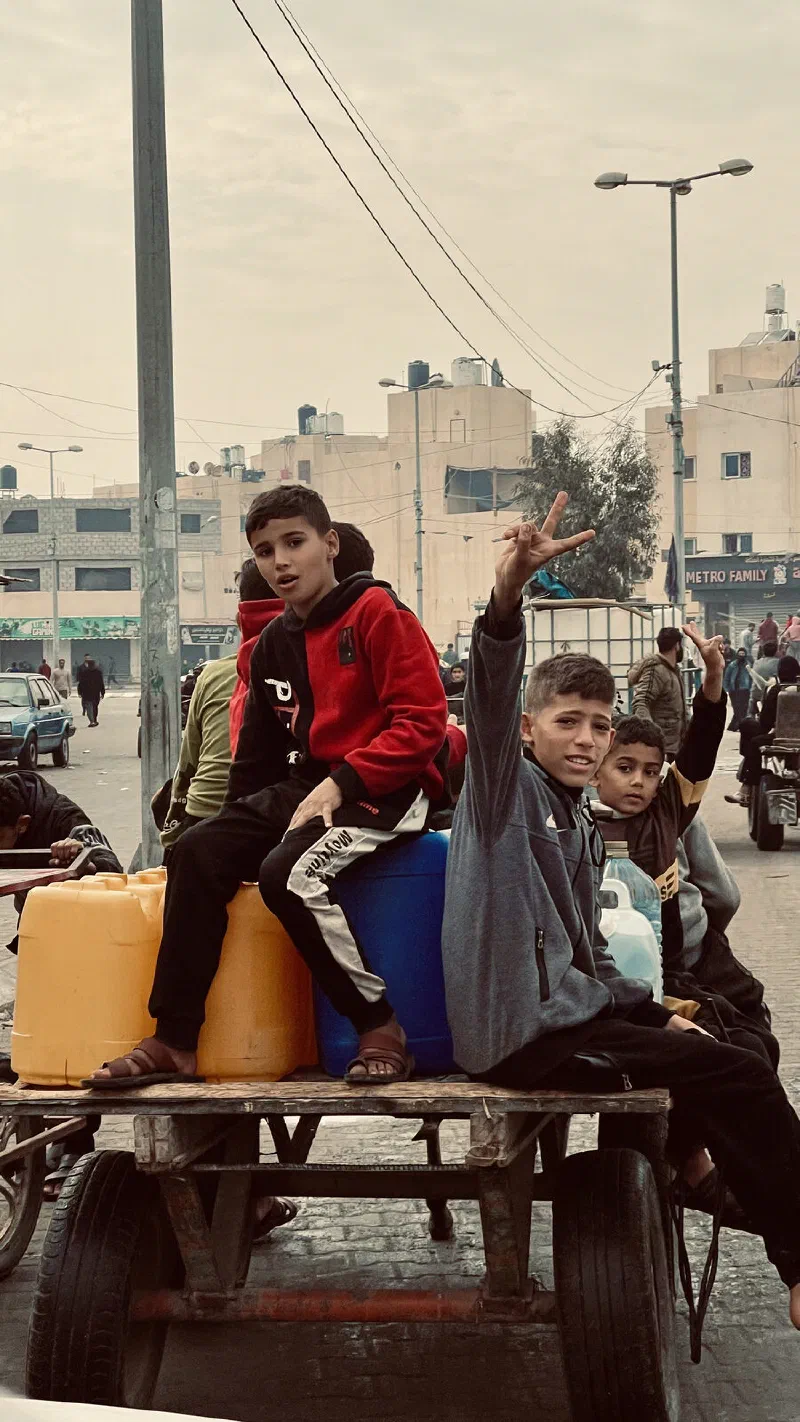
The Proxi-Temporal Peacebuilding Framework is not intended to replace existing approaches to peacebuilding, conflict prevention, or humanitarian response. Rather, it addresses a specific gap concerning the study and practice of peacebuilding during active conflict. Consequently, its application is most appropriate where organized violence remains an ongoing condition and where educational institutions, civil society organizations, or local communities continue to function despite insecurity.
Not a Universal Model
The framework should not be regarded as a universal model applicable to every conflict or every stage of peacebuilding. Different conflicts vary considerably in their political, cultural, historical, and security contexts, and the framework must therefore be adapted collaboratively rather than applied as a standardized methodology. Equally, it does not claim that participatory approaches are always possible. In situations characterized by extreme violence, widespread displacement, the collapse of educational institutions, or immediate threats to life, humanitarian protection and basic security must necessarily take precedence over participatory research.
The Conditions Collaboration Requires
Because the framework places significant emphasis on collaboration with conflict-affected communities, it also requires sustained ethical commitment, institutional trust, and locally established partnerships. Without these conditions, attempts to implement participatory approaches risk becoming superficial, extractive, or potentially harmful. Similarly, the framework does not assume that participation automatically redistributes power or produces better knowledge. Existing inequalities between researchers, institutions, and participants remain important challenges requiring continuous reflexivity and ethical accountability.
Still Under Development
Finally, the framework remains under active development. While its conceptual foundations draw upon established scholarship across peace research, participatory methodology, and education, further empirical testing is required to evaluate its effectiveness across different conflict settings, educational systems, and cultural contexts. Future research will therefore examine both the strengths and limitations of the framework through comparative international partnerships and long-term collaborative evaluation.
But how has this approach been put into practice and evaluation? In the next article, we explore how the Proxi-Temporal Peacebuilding Framework is already being applied, where it has been introduced, and what the next steps are in testing, teaching, and refining the framework.