From Theory to Practice: What Does Using the Proxi-Temporal Peacebuilding Framework Involve?
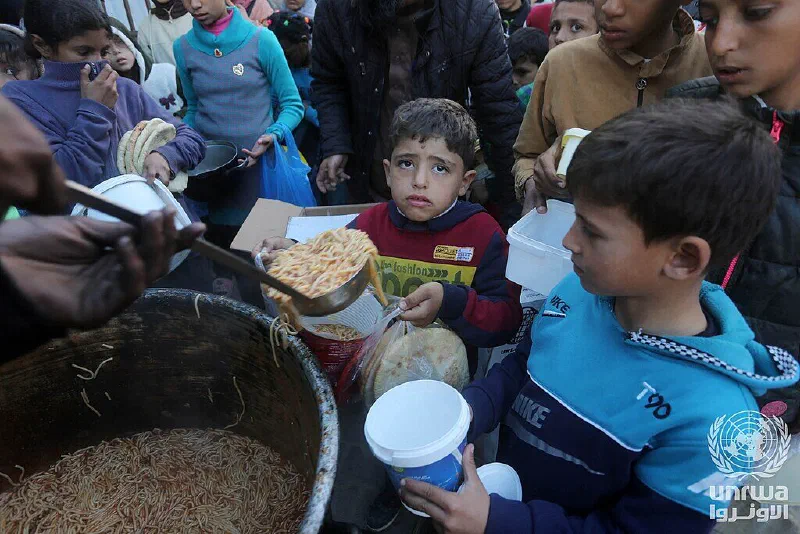
Applying the Proxi-Temporal Peacebuilding Framework begins by reframing the central research question. Rather than asking how peace can be rebuilt after conflict, practitioners first ask how peace is already being experienced, negotiated, and sustained while violence continues. This shifts attention from post-conflict recovery toward the everyday practices through which individuals, institutions, and communities preserve relationships, learning, dignity, and hope under conditions of insecurity.
Identifying Conflict-Embedded Partners
Researchers begin by identifying conflict-embedded institutions and communities that continue to function despite ongoing violence. Universities, schools, civil society organizations, and local community groups become partners in defining research priorities, selecting appropriate methods, and interpreting findings. Rather than extracting information from participants, the framework encourages collaborative knowledge production based upon reciprocal relationships and shared ownership of the research process.
Adapting the Research Design
Research design is then adapted to the realities of active conflict. Methods remain flexible and responsive to changing security conditions while prioritizing safeguarding, trauma awareness, and the principle of Do No Harm. Data collection may involve participatory workshops, collaborative curriculum development, reflective dialogue, creative and arts-based methods, educational observation, or other contextually appropriate approaches that minimize risk and respect participants’ well-being.
Analyzing Everyday Practice
Analysis focuses not only on the outcomes of peacebuilding but also on the everyday practices through which peace is continuously enacted. Particular attention is given to how teaching, learning, institutional continuity, community relationships, and local initiatives contribute to sustaining peace while conflict persists.
Translating Findings into Local Capacity
Finally, the findings are translated into practical outputs that strengthen local capacity. These may include co-produced educational resources, locally developed peace curricula, institutional partnerships, practitioner guidance, or collaborative research programs. In this way, research becomes both an analytical process and a contribution to sustaining peace within the communities participating in it.
Applying the Proxi-Temporal Peacebuilding Framework is not about following a fixed set of procedures. It is about adopting a different way of understanding, researching, and supporting peace while conflict is still unfolding. By combining collaboration, ethical responsibility, and conflict-sensitive research, the framework seeks to ensure that peacebuilding knowledge emerges from the lived realities of those experiencing conflict.
The Proxi-Temporal Peacebuilding Framework is best understood as a developing framework rather than a completed model. Its strength lies not only in its conceptual foundations but also in its openness to learning, adaptation, and critical evaluation. In the next article, we consider the framework’s limitations and explain why recognizing those limitations is essential to its responsible development and application.