From Ideas to Impact: Has the Proxi-Temporal Peacebuilding Framework Been Applied, Tested, or Taught?
The Proxi-Temporal Peacebuilding Framework is currently in the early stages of practical implementation and continues to evolve through collaborative partnerships rather than through completed large-scale evaluation. It informs IIPAC’s developing program of research, education, and institutional collaboration with universities and community partners working within active conflict environments.
Ukraine: A Partnership in Cherkasy
One important area of application is IIPAC’s partnership with Bohdan Khmelnytsky National University of Cherkasy in Ukraine, developed in collaboration with Rotary Club Cherkasy International. Through this partnership, the framework is informing joint discussions on research methodology, higher education, peacebuilding pedagogy, and collaborative academic programs. It also provides the conceptual basis for developing future educational initiatives that seek to strengthen universities as active contributors to sustaining peace during conflict.
Palestine: Trauma-Informed Research and Co-Produced Curricula
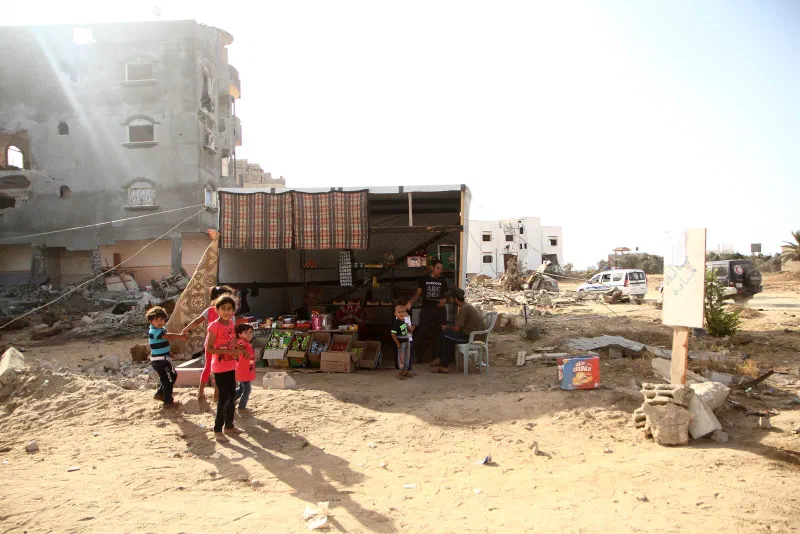
The framework is also informing the design of proposed collaborative work with universities and educational institutions in Palestine, where particular emphasis is being placed on trauma-informed research, safeguarding, locally co-produced curricula, and participatory approaches to peace education. These initiatives aim to explore how universities can function as conflict-embedded sites of knowledge production while supporting children, educators, and communities living through prolonged violence.
What Has Not Yet Been Tested
At present, however, the framework has not yet undergone formal independent empirical evaluation, nor has it been tested through comparative longitudinal research. Establishing its methodological validity, practical effectiveness, and wider applicability constitutes one of the principal objectives of the proposed postdoctoral research program.
IIPAC therefore presents the Proxi-Temporal Peacebuilding Framework as a developing research framework whose continued refinement will occur through collaborative implementation, scholarly evaluation, and international academic partnerships. This openness to testing and refinement is considered a strength of the framework, reflecting its commitment to continuous learning and evidence-informed development rather than fixed theoretical prescription.