Peacebuilding in War-Torn Ukraine
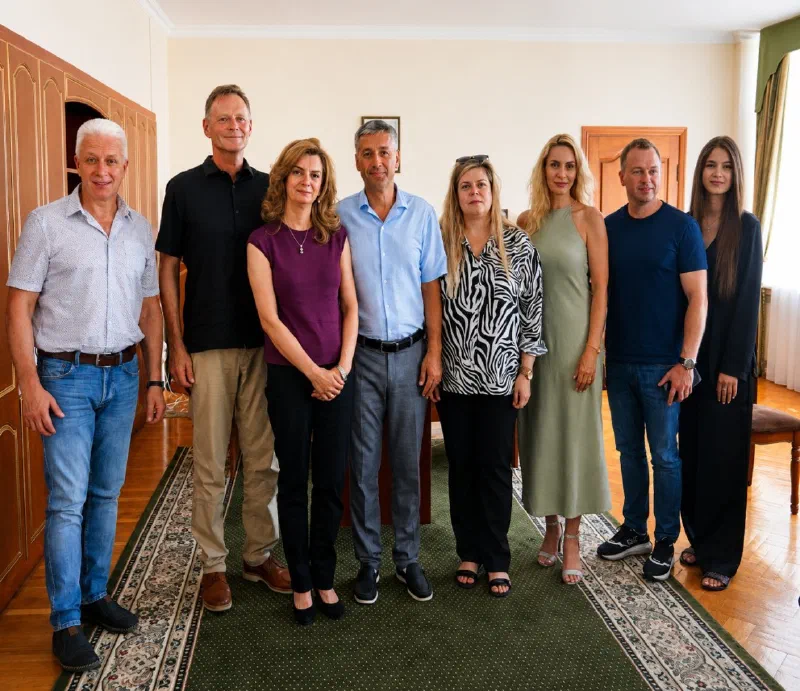
In Cherkasy, Ukraine, IIPAC’s founders met university and city administration leaders to begin developing a practical peace education program for children living through active conflict.
The program reflects a simple but often overlooked conviction: peacebuilding cannot wait until the war ends. Children should not have to wait for peace to be taught how to build it.
A New Model for Peace Education in Active Conflict
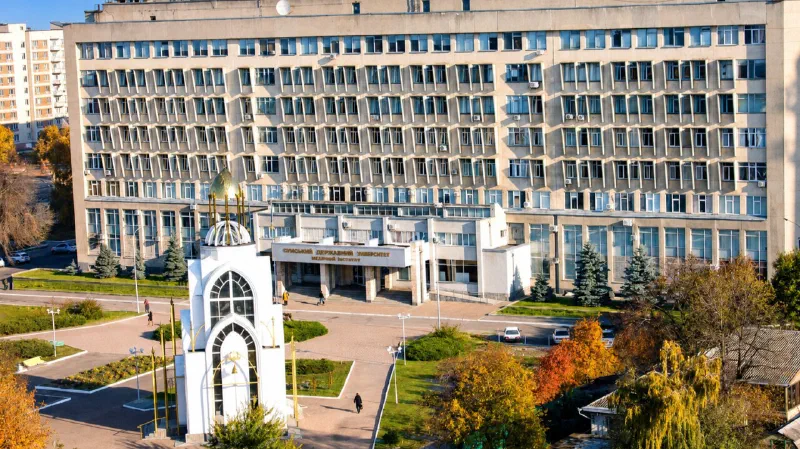
In late June, the International Institute for Peacebuilding in Active Conflict (IIPAC) visited Bohdan Khmelnytsky National University of Cherkasy (BKNUC) in Ukraine, where its founders began developing a practical peace education program for children living through active conflict.
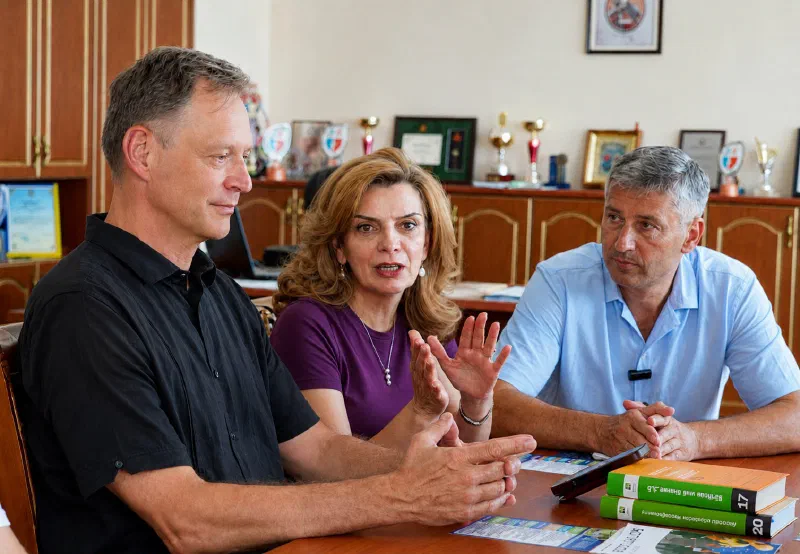
The visit brought IIPAC together with Ukrainian university and city administration leaders to discuss the program’s design. It reflects a simple but often overlooked conviction: peacebuilding cannot wait until the war ends.
A Different Model of Peacebuilding
The emerging partnership between IIPAC and BKNUC is grounded in the Proxi-Temporal Peacebuilding Framework developed by IIPAC founder Dr. Mehri Hilton. Peacebuilding has too often been treated as work that begins only after violence has ended. IIPAC advances a different approach: building resilience, empathy, dialogue, and hope within the conflict zone itself while conflict is still unfolding.
“Proxi” speaks to proximity; “temporal” speaks to timing. Together, they define peacebuilding in the war zone while the war is happening.
Why Children Cannot Wait
The discussions focused on developing a research-informed educational framework that equips children not merely to survive war, but to preserve their humanity, build peaceful relationships, and become future agents of reconciliation.
“Children should not have to wait for war to end before they are taught how to build peace. Reach them early. Work with them honestly. Do this, and you change not only their future, but the future of the conflict and of peace itself.”
— Dr. Mehri Hilton
Two Lives Shaped by War
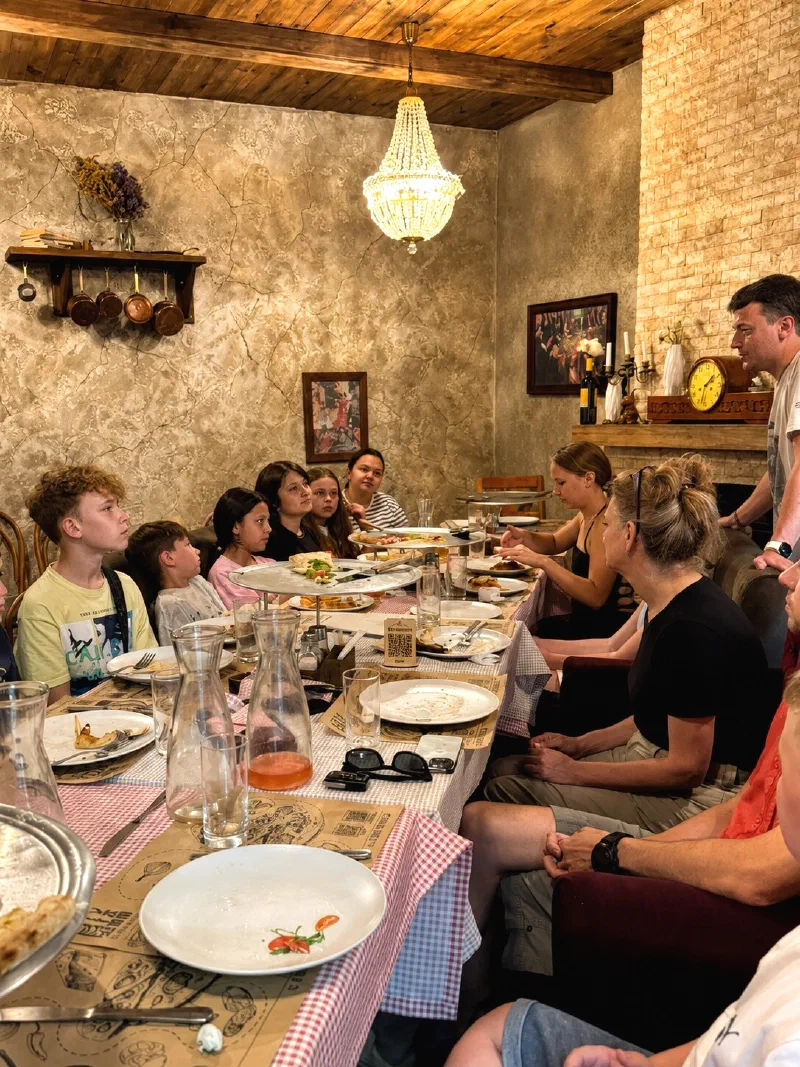
The Proxi-Temporal Peacebuilding Framework is unusual because it was shaped not only by research, but also by two very different lives marked by war. IIPAC’s founders, Dr. Mehri Hilton and JC Clapsaddle, came to peacebuilding through distinct experiences of conflict, yet reached the same conviction: peace must be built with people in the conflict zone while war is still shaping their lives.
Dr. Hilton lived through the death, loss, and fear of the Iran–Iraq War. She later produced children’s educational television and worked in places marked by conflict and persecution before earning a PhD in Peacebuilding. Colonel Clapsaddle is a retired United States Air Force officer who deployed to war, worked at the national level on human rights and defense policy, supported disaster response, and now leads humanitarian aid convoys into wartime Ukraine.
She is an Iranian-born British peacebuilding scholar; he is an American military veteran. At the time of writing, in July 2026, their countries are at war. Yet their partnership demonstrates that people shaped by conflict do not have to remain divided by it. Peace can be built between people, within communities, and wherever there is the courage to begin.
Courage in Cherkasy
IIPAC’s founders found that courage in the students and staff of BKNUC. The visit reaffirmed that meaningful international partnerships can bridge research, education, and humanitarian practice. IIPAC and BKNUC are now exploring how evidence-based peace education can be adapted, evaluated, and scaled for communities living through conflict.
What Comes Next
This is only the beginning. IIPAC will continue building partnerships with universities, humanitarian organizations, educators, policymakers, and international partners who understand that children do not stop learning because a war is underway. That is precisely why peace must be taught while conflict is still shaping their lives. Peace education is not an option reserved for peaceful times, but an urgent necessity during war.
Recognizing BKNUC’s Leadership
IIPAC extends its thanks to everyone at Bohdan Khmelnytsky National University of Cherkasy for their leadership and, importantly, their courage in pursuing peacebuilding during active conflict.
In the near future, IIPAC will share more about the wartime peace work of its partners in Cherkasy: Dr. Yevhenii Kyryliuk, Acting Rector of BKNUC; Dr. Valeriia Shynkarova, Deputy of the Cherkasy City Council; Dr. Tetiana Zorochkina, Acting Director of the Educational-Scientific Institute of Pedagogical Education, Social Work and Art; Dr. Victoriia Bilyk, Head of the Department of Educational Management, Art Management and Social Work; and Svitlana Koval, Head of the International Affairs Office at BKNUC.
IIPAC and BKNUC look forward to building a more peaceful future together.