International Institute
for Peacebuilding
in Active Conflict
About IIPAC
IIPAC advances the science and practice of peacebuilding within active conflict zones through research, education, and collaboration, recognizing that the foundations of lasting peace are built before conflict ends.
The Challenge
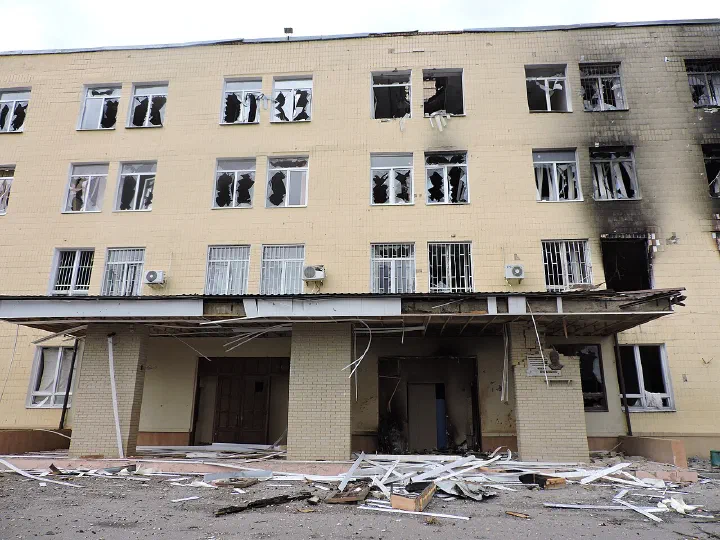
When conflict erupts, the world responds with humanitarian aid, diplomacy, and military action. Peacebuilding, however, is too often delayed until the fighting ends. By then, communities have already endured trauma, mistrust, weakened institutions, and deepening division. The greatest opportunity to shape the future has already begun to slip away.
Our Core Belief
IIPAC is founded on a simple belief: peacebuilding must begin long before conflict ends.
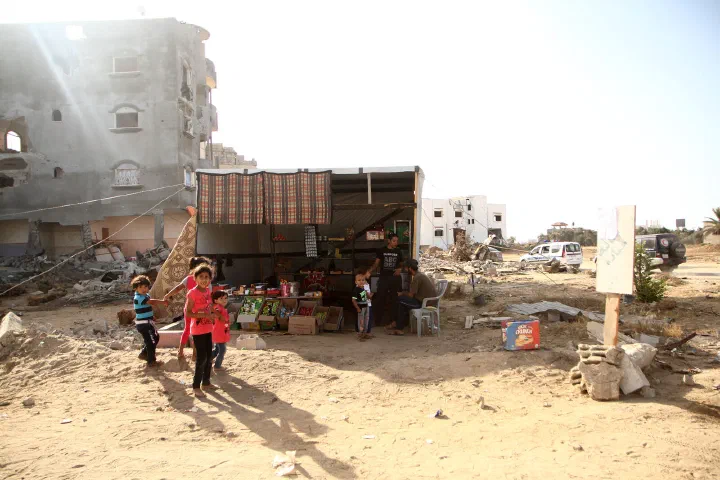
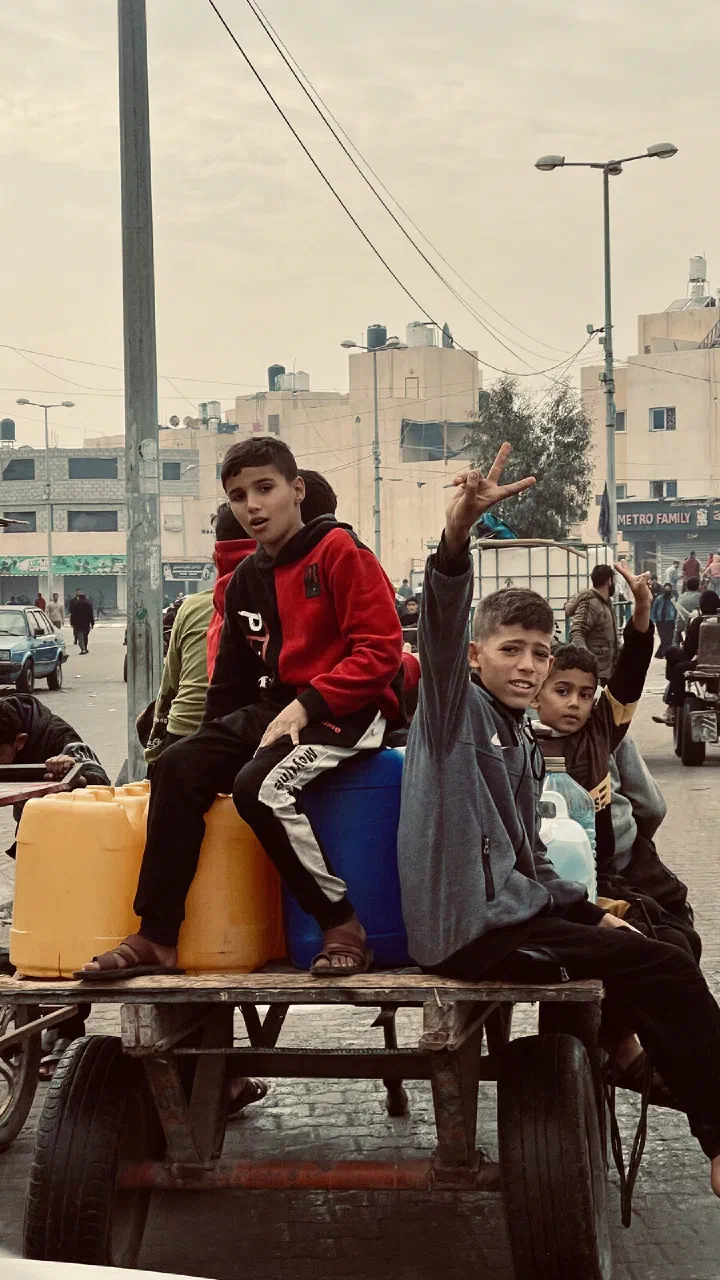
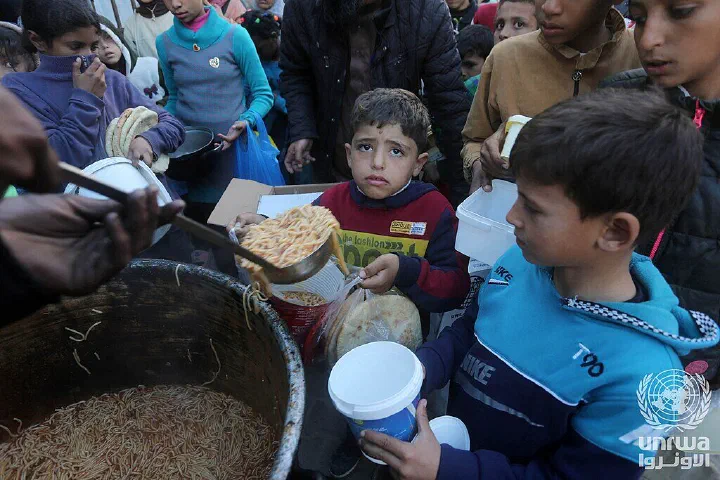
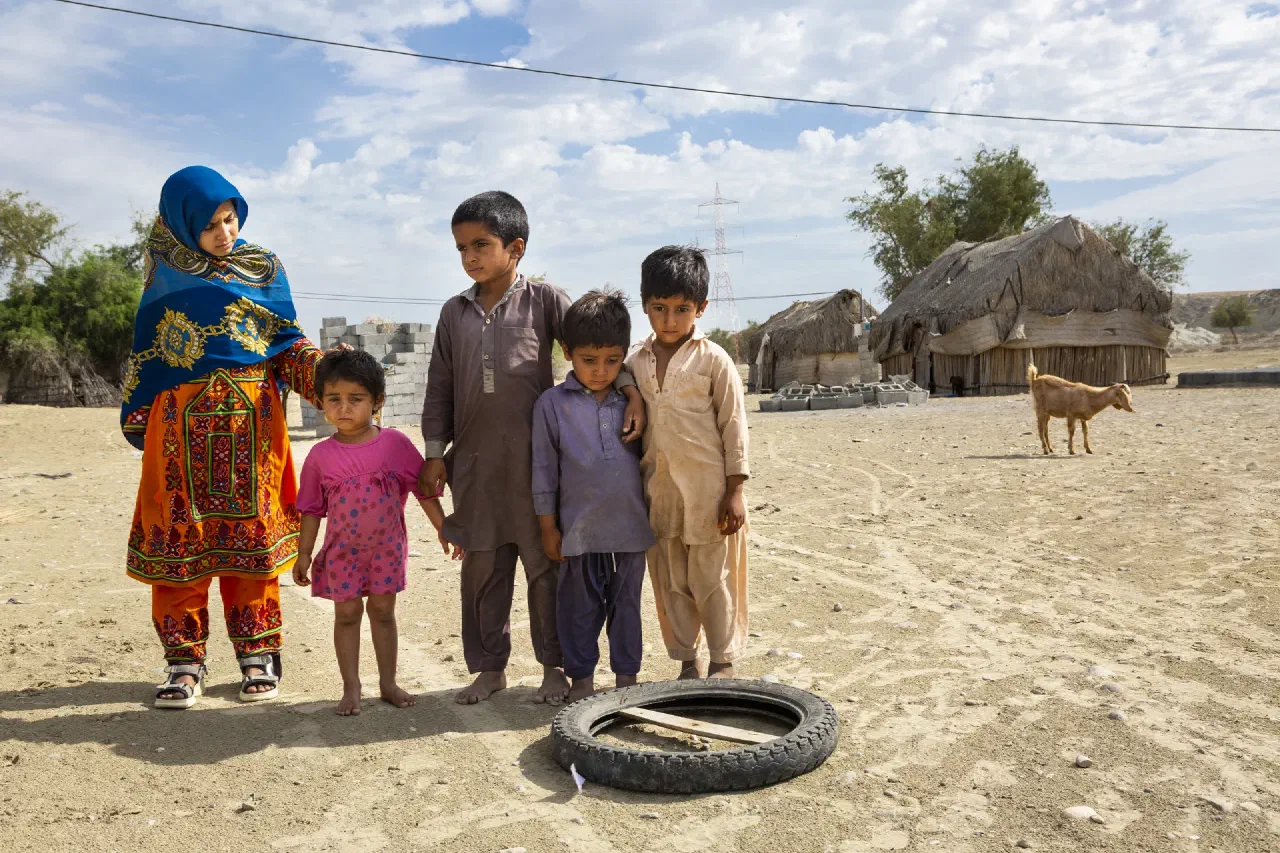
Communities living through conflict are not powerless. Even amid violence, they can strengthen relationships, develop leaders, reinforce institutions, support one another, and create hope for the future. Just as doctors treat illness before it becomes life-threatening and educators help children before they fall behind, peacebuilding is most effective when it begins before fear, trauma, mistrust, and division become deeply entrenched.
Early peacebuilding does more than reduce suffering. It strengthens resilience, preserves trust, encourages cooperation, and empowers communities to shape their own future, laying the foundations for lasting peace long before the conflict is over.

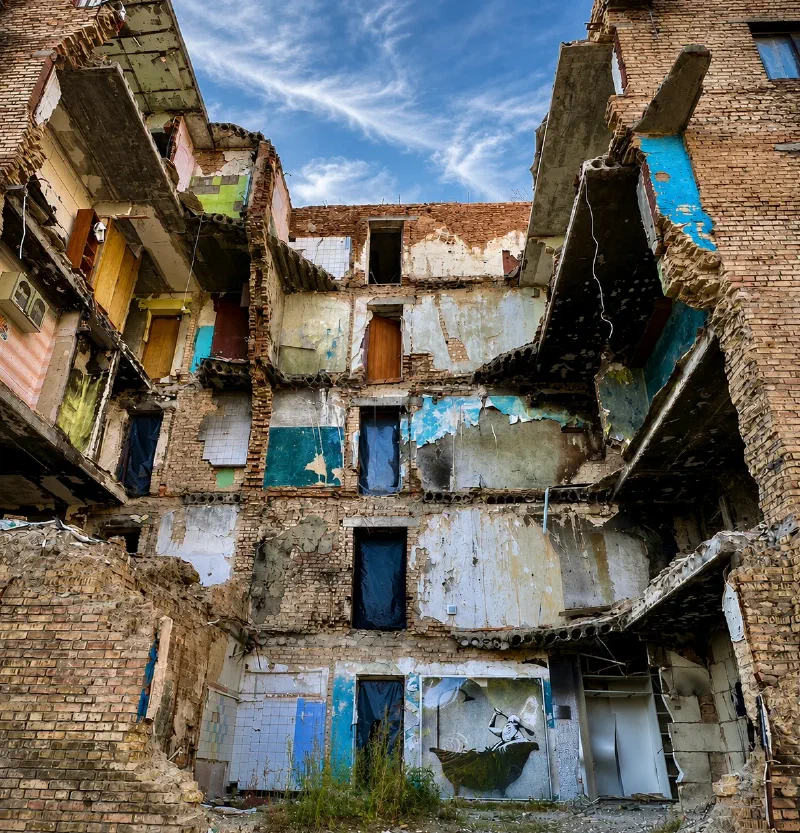
Photo: James (JC) Clapsaddle
What We Do
Conflict Resolution
IIPAC provides independent, impartial and internationally informed arbitration and dispute-resolution expertise for complex, cross-border and conflict-sensitive disputes. Drawing on arbitration, negotiation, mediation and peacebuilding practice, we support fair and credible processes designed to resolve disputes, prevent escalation and enable sustainable outcomes. Resolving disputes. Preventing escalation. Creating pathways to peace.
Academic Collaboration
IIPAC partners with universities in conflict-affected regions to undertake research grounded in the realities of active conflict. Working with local scholars and practitioners, we co-produce knowledge, strengthen research capacity and develop innovative, context-sensitive approaches to peacebuilding. Our collaborations bridge academic research and practice, ensuring that local knowledge and lived experience help shape pathways towards sustainable peace.
Applied Peacebuilding
IIPAC translates peacebuilding knowledge into practical action within communities affected by active conflict. Working alongside local partners, institutions and communities, we design and deliver context-sensitive initiatives that strengthen dialogue, resilience and local capacity for peace. Our approach recognises that peacebuilding cannot always wait for conflict to end—it must begin within the realities of conflict itself.
Education & Dialogue
IIPAC creates spaces for learning and dialogue that strengthen the knowledge, skills and relationships needed to build peace during active conflict. Working with universities, educators, practitioners and communities, we develop peace education, facilitate meaningful dialogue and encourage critical engagement across divides. Our programmes empower people to become active participants in shaping more peaceful and resilient societies.
IIPAC Launches Three-Year International Partnership to Advance Peacebuilding in Active Conflict in Ukraine

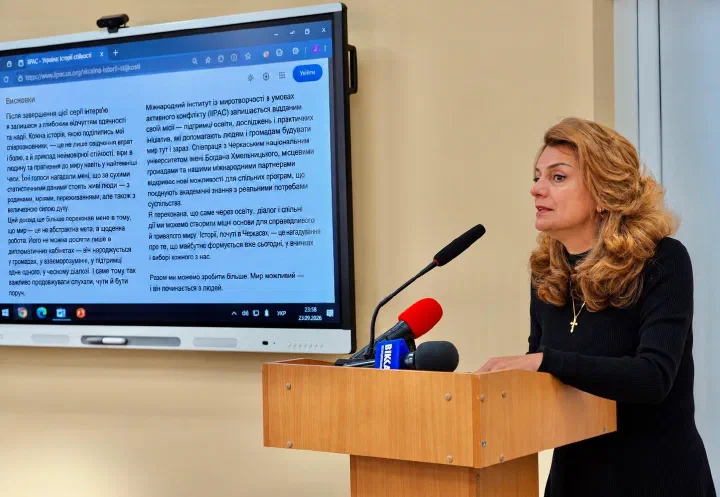
The International Institute for Peacebuilding in Active Conflict (IIPAC) is proud to announce the launch of a strategic international partnership with Bohdan Khmelnytsky National University of Cherkasy and Rotary Club Cherkasy International.
Over the next three years, the partners will advance research, education, applied peacebuilding, psychosocial support, and international cooperation to strengthen the resilience of Ukrainians living through war and help shape the future peace.
Full Article ↗
"Children should not have to wait for war to end before they are taught how to build peace. Reach them early. Work with them honestly. Do this, and you change not only their future, but the future of the conflict and of peace itself."
Dr. Mehri Hilton, Founder & President, IIPAC
Our Founders

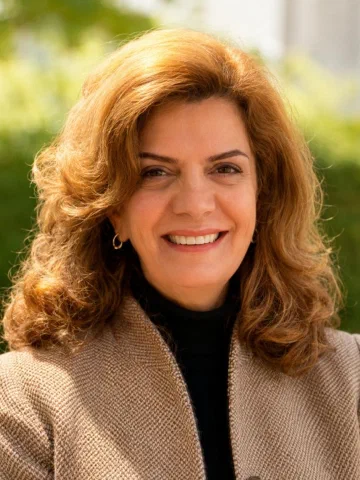
Dr. Mehri Hilton
Founder & President
Chief Academic Officer
Dr. Mehri Hilton is an Iranian-born British researcher, peacebuilding practitioner, and educator. She is the originator of the Proxi-Temporal Peacebuilding Framework and the Founder and President of the International Institute for Peacebuilding in Active Conflict (IIPAC).

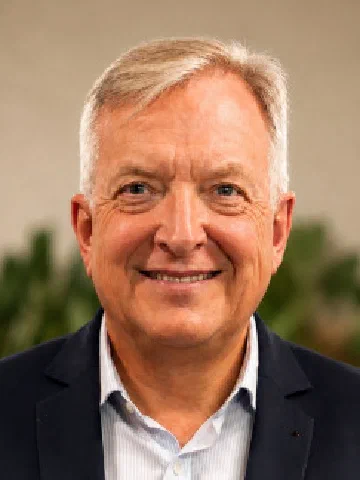
JC (James) Clapsaddle
Co-Founder & Executive Director
Colonel (Ret), US Air Force
JC Clapsaddle is a retired United States Air Force Colonel, peacebuilding practitioner, humanitarian project leader, and a nonprofit executive.
Our Advisors

Dr Shabnam Moinipour
Member of the Board of Advisors
Dr Shabnam Moinipour is a human rights researcher, educator, and advocate whose work spans international human rights law, freedom of religion or belief, minority rights, gender equality, access to justice, and the protection of civil society.

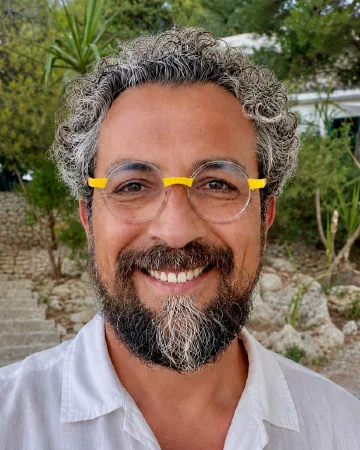
Borys Mykola Bodnar
IIPAC Ukraine Advisor
Borys Mykola Bodnar is a British-born Ukrainian civic leader, humanitarian practitioner, financial expert, and Rotarian whose life and work are rooted in Ukraine’s struggle for sovereignty, dignity, and peace.
Partners
Universities
IIPAC works in direct partnership with universities operating within and near conflict environments. These institutions are not observers of conflict — they are participants in shaping what comes next. For universities, this initiative offers the opportunity to help define a new and emerging subfield of peacebuilding.
Rotary & Others
Rotary, including Rotary Club Ukraine Unity (RCUU), is already functioning as a peacebuilding agent within the conflict zone — its impact local, its network global. IIPAC also works alongside other nonprofits whose missions contribute to peace, resilience, humanitarian assistance, and social cohesion.
Contact
IIPAC welcomes enquiries from universities, partner organisations, practitioners, and researchers. Whether you are looking to explore a research partnership, programme collaboration, or advisory support we would be glad to hear from you.